
Spot the Signs, Save a Life: Recognizing and Responding to Heat Stroke and Heat Exhaustion
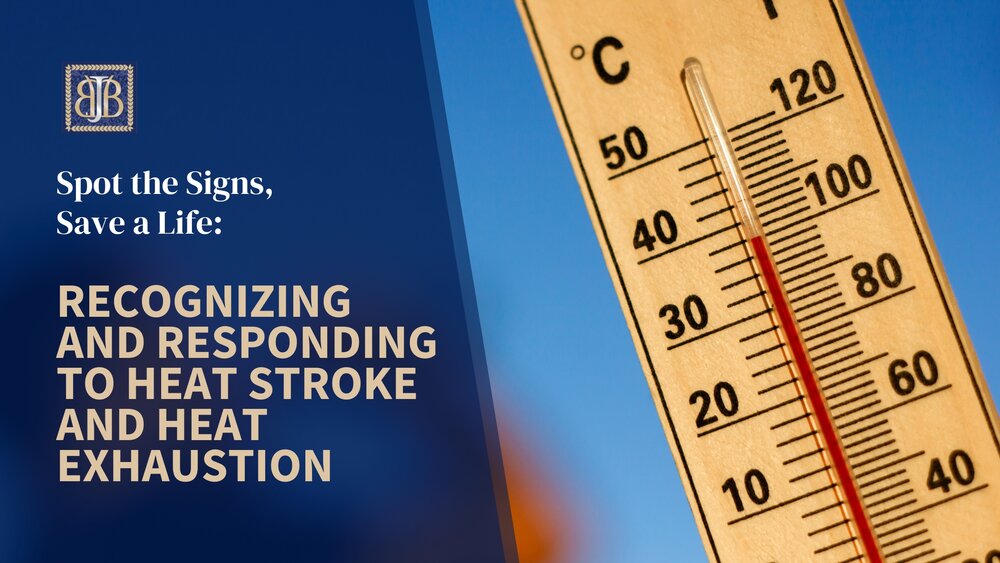
Heat stroke and heat exhaustion can quickly turn an ordinary summer day into a life-threatening emergency.
In cities like Philadelphia, summer heat can be relentless. It radiates from sidewalks, lingers in high-rise apartments, and creates dangerous conditions, especially for older adults, children, and those with underlying health conditions. During the peak summer months, heat stroke and heat exhaustion are more than seasonal concerns—they're community health issues.
At Batchelor Brothers & Jones Funeral Services, we believe in caring for one another long before moments of loss. That’s why we’re sharing the following vital information to help you recognize and respond to the signs of heat-related illness. Knowing what to do can save a life.
Why Urban Heat Is So Dangerous
City dwellers often face a greater risk of heat illness due to the “urban heat island” effect—where concrete, buildings, and lack of green space cause temperatures to rise faster and stay elevated longer. For neighbors without air conditioning or reliable access to medical care, the danger is real.
Add to that the isolation some older adults or vulnerable residents may feel, and it becomes even more important for friends, families, and community members to stay alert to the signs of heat stroke and heat exhaustion.
Heat Exhaustion vs. Heat Stroke: Know the Difference
Heat exhaustion is the body’s early cry for help. It’s the stage before a full medical emergency and it’s where intervention can make a difference.
Symptoms of heat exhaustion include:
- Heavy sweating
- Muscle cramps
- Pale or clammy skin
- Dizziness or weakness
- Headache or nausea
If untreated, heat exhaustion can progress to heat stroke, a dangerous condition where the body loses its ability to regulate temperature.
Signs of heat stroke include:
- A body temperature over 103°F
- Hot, red, or dry skin
- Rapid pulse
- Confusion or slurred speech
- Seizures or loss of consciousness
If you see signs of heat stroke, call 911 or your local emergency services number immediately. Move the person to a cooler place, apply cool cloths, and never give fluids to someone who is unconscious.
Who’s Most at Risk?
While anyone can suffer from heat-related illness, certain groups are more likely to be affected:
- Older adults, especially those living alone
- People with chronic conditions like heart disease, diabetes, or kidney problems
- Residents without air conditioning
- Outdoor workers and delivery drivers
- Small children or those unable to communicate when they’re feeling unwell
If you fall into one of these groups or care for someone who does, it’s especially important to watch for signs of heat stress and take action early.
5 Ways You Can Help
1. Be a heat check buddy.
During heatwaves, check in on elderly or vulnerable neighbors, friends, or family. A quick phone call or knock on the door might help save a life.
2. Create a cooling plan.
Know where to go when your home gets too hot, such as a library, rec center, or community cooling station. Keep that information handy and provide it to others, too.
3. Learn the symptoms.
Post a list of warning signs on your fridge or save them to your phone. The sooner you recognize heat illness, the faster you can act.
4. Keep your cool.
Even if you don’t feel overheated, stay hydrated and dress for the weather. Avoid outdoor activity during the hottest hours (typically 11 a.m. to 4 p.m.).
5. Empower your circle.
Talk to friends, neighbors, church groups, or community leaders about the importance of heat safety. Sharing this important knowledge could help someone in need.
Heat stroke and heat exhaustion can escalate quickly, but with awareness and action, they are preventable. This summer, stay watchful, connected, and safe.
At Batchelor Brothers & Jones, we’ve served generations of Philadelphia-area families with dignity, compassion, and respect. But our commitment to community extends beyond our services. We believe that when we look out for one another, we all grow stronger.
Staying safe in the summer heat is about protecting what matters most. If you have questions or need compassionate support during life’s difficult moments, we are here for you. Please contact us anytime.
About Batchelor Brothers & Jones Funeral Services: A trusted African American-owned funeral and cremation provider, Batchelor Brothers & Jones Funeral Services proudly serves the Philadelphia community with compassion and care. Established in 2025 through the merger of Batchelor Brothers Funeral Services and The Escamillio D. Jones Funeral Home, the firm brings together more than 25 years of combined experience and a shared commitment to honoring lives with dignity. With two convenient locations in North and West Philadelphia, Batchelor Brothers & Jones offers a full range of personalized services—including funerals, cremations, memorials, repast planning, and grief support—delivered with cultural sensitivity and a deep connection to the community. To learn more, visit www.batchelorbrothersjones.com or call 215-549-4700.
Previous Posts
Breast Cancer Awareness Month: Why Early Detection Matters More Than Ever
Seasonal Fall Prevention: Top 10 Tips for a Healthier, Happier Autumn
10 Keys to Planning a Comforting Autumn Memorial Service
How to Choose Words of Sympathy That Bring Comfort
Sickle Cell Awareness Month: 10 Things Everyone Should Know
Why Families Choose Batchelor Brothers & Jones for High-Profile Funeral Services
Navigating Legalities After Losing a Loved One: 7 Important Things To Know
10 Important Benefits of Grief Counseling: How Professional Guidance Supports Healing
Why Funeral Ceremonies Matter: 7 Ways Rituals Help Us Heal
Wondering What to Bring to a Memorial Service? Consider These Heartfelt Items


Comments